看板 CityNight
作者 標題 [筆記] note Google Search: 皂 黑色
時間 2015-06-24 Wed. 15:01:40
http://tw.18dao.net/漢語詞典/皂
喂馬或喂牛的飼槽[manger]
: 牛驥同一皂。――文天祥《正氣歌》
--
※ 作者: Ctea 時間: 2015-06-24 15:01:40
: Moved from: https://disp.cc/b/261-fpd2
https://chardb.iis.sinica.edu.tw/char/17094
皂
1. 同「皁」。 2. 去汙垢的鹼性用品。 3. 同「皁」。黑色。 4. 同「皁」。黑色的。 5. 「草」之異體。
https://chardb.iis.sinica.edu.tw/char/17093
皁
1. 皁斗的略稱,指櫟實、柞實等,其殼斗煮汁,可以染黑。後作「皂」。 2. 黑色。後作「皂」。 3. 黑色的絲織品。 4. 差役。古代士以下的一種服勞役的身分。 5. 古稱馬十二匹為皁。 6. 喂牛馬的食槽。 7. 馬欄。 8. 穀殼已經結成,但還未堅實。 9. 舊時用皁莢去垢。後作「皂」。今沿稱去垢物為「皂」。 10. 「草」之異體。
https://chardb.iis.sinica.edu.tw/char/17092
漢字「皀」:基本資料
1. 稻穀的香氣。 2. 一粒;粒。
※ 編輯: Ctea 時間: 2023-11-11 23:22:45 (台灣)
: Moved from https://disp.cc/b/261-8D5h
by 202512131454
http://www.vividict.com/WordInfo.aspx?id=1615
甲骨文 古字 演變 象形字
※ 編輯: Ctea 時間: 2015-04-17 10:31:07
※ 編輯: Ctea 時間: 2016-07-29 16:10:24
※ 編輯: Ctea 時間: 2017-02-05 15:52:27
※ 編輯: Ctea 時間: 2023-07-08 23:46:31 (台灣)
※ 編輯: Ctea 時間: 2023-07-09 00:00:56 (台灣)
: ↓ Massively moved from: https://disp.cc/b/261-fpd2
: Moved from: https://disp.cc/b/261-8YJQ
「家」,今仔的書寫體是:「宀」+「豕」,「豕」音「始」是「彘、豬」的字意,「家」變做「豬tiâu」。
按照《六書故》記寫是【頂「宀」+下「乑」】,這字「乑」,是古「族」字。【頂「宀」+下「乑」】,是講「人所合也」。
從「乑」,三人聚「宀」下;「家」,將「乑」訛寫做「豕」。
#國學
※ 編輯: Ctea 時間: 2017-02-05 15:52:09
https://www.plurk.com/p/mg56fl
潘
https://www.plurk.com/p/mxaj5i
原來洗米水生的叫"潘",熟的叫做"沐"
又因為以前人都用熟的洗米水洗頭髮,因此以"沐"代稱洗髮,所以跟洗澡"浴"並稱"沐浴"。
#台語 #弄到髒東西
https://www.plurk.com/p/nul79v
泔 (粓) - 淘米、洗刷鍋碗等用過的水;用淘米水浸漬。
瀾 (灡) - 淘米水。
沐 - 古人用以洗髮的淘米汁。謂熱之洗髮,可以去垢。
潘 - 淘米水。(生的)
潲 - 淘米水等製成的豬食
滫 - 淘洗;酸臭的陳淘米水。
#類似品要注意 #易混淆 #各種洗米水
※ 編輯: Ctea 時間: 2020-05-31 04:21:11 (台灣) *
: : Moved from:
: Moved from: https://disp.cc/b/261-8YJQ
https://chardb.iis.sinica.edu.tw/char/23283
https://emilyksh.pixnet.net/blog/post/25669646
https://mrmo.cc/205/理財知識-金融商品中常用的一個字-躉/
[理財知識] 金融商品中常用的一個字 躉 - 不務正業紀實
https://www.ptt.cc/bbs/Wrong_spell/M.1134324906.A.415.html
躉,ㄉㄨㄣˇ,足部,貨物整批的意思 - Wrong Spell #注音
https://www.tw-goldenwinner-57.com/_...url_id=20638&source=cstest
#注音 #財金 #金融 #罕見字 #萬足 #錯字 #發音
via Kaede
※ 編輯: Ctea 時間: 2021-02-01 16:07:05 (台灣)
: Moved from: https://disp.cc/b/261-8YJQ
https://www.google.com/search?q=http...p;sourceid=chrome&ie=UTF-8
https://www.google.com/search?q=t.co...p;sourceid=chrome&ie=UTF-8
https://sn-jp.com/archives/90070
【話題】『民の語源みて震えてる…』 | Share News Japan
https://togetter.com/li/1923336
「民」という漢字の語源は「目を見えなくした奴隷」?漢和辞典は信用できるのかできないのか問題 - Togetter
https://twitter.com/Sidkissmeagain/status/1552251932906889217?t.co/fKY2QH3PiI
【片目が潰れたメルちゃん🎧】民の語源みて震えてる
https://twitter.com/JZweYIrwsf13Kyn/status/1553016149230878720
【Yuma】国民の「民」😭怖いよー。
via https://disp.cc/b/261-fj9g#:~:text=fKY2QH3PiI
- 原來「民」原本的意思是「奴隸」....
人=人
民=奴
- https://en.wiktionary.org/wiki/民#Glyph_origin
https://chardb.iis.sinica.edu.tw/char/14401
2. 指奴隸。古代奴隸主對比較馴服的戰俘刺瞎左眼強迫勞動使之成為奴隸,這種瞎了左眼的奴隸便稱為「民」。
長知識了...
反觀對應的英文civilian,字根是居民──欸幹,漢字圈已經無法不使用「民」這字了...
- 因為也沒救了,最起碼到周王國時代就不再指奴隸了
甚至可能更早,夏到商的時候就改了
- 不無可能就是了 可以定型成這麼久應該真的很早就改了,只是還可以保留字源真的很神。
確定的是西周時代的《易經》已經將「民」用於「たみ」(人民)了。
- 也有可能是因為原本周人被殷人當奴隸看,所以下剋上後就把民的地位提高了
- 應該不至於,周國和商國只是藩屬國與宗主國的關係,只是周王室被商王室得罪過(史料是這麼紀載就是惹)
#字源 #字根 #漢字
via FTB #(未命名標籤tag2)
※ 編輯: Ctea 時間: 2022-09-02 11:49:59 (台灣)
: Moved from: https://disp.cc/b/261-8YJQ
https://chardb.iis.sinica.edu.tw/char/8143
漢字「取」:基本資料
1. (捕獲到野獸或戰俘時)割下左耳。
#(未命名標籤tag2)
※ 編輯: Ctea 時間: 2023-08-11 09:22:35 (台灣)
https://chardb.iis.sinica.edu.tw/char/933
㞞
1. 精液的俗稱。
※ 編輯: Ctea 時間: 2023-10-06 13:59:59 (台灣) *
: Moved from: https://disp.cc/b/261-fpd2
https://chardb.iis.sinica.edu.tw/char/24076
醜
11. 指動物肛門處。
※ 編輯: Ctea 時間: 2023-10-07 03:22:25 (台灣)
: Moved from: https://disp.cc/b/261-fpd2
https://chardb.iis.sinica.edu.tw/char/14782
涉
14. 血流貌。
※ 編輯: Ctea 時間: 2023-10-10 13:18:21 (台灣)
: Moved from: https://disp.cc/b/261-fpd2
https://chardb.iis.sinica.edu.tw/char/18052
稽
1. 停留;延遲。
2. 阻礙;耽誤。
3. 貯存;囤積。
https://chardb.iis.sinica.edu.tw/char/1497
㧎
2. 抗
via https://sutian.moe.edu.tw/zh-hant/su/13452/
khê 㧎 [替]
卡住。
不通順的、不順暢的、不和睦的。
※ 編輯: Ctea 時間: 2023-10-10 13:59:45, 14:02:02 (台灣)
: Moved from: https://disp.cc/b/261-fpd2
https://www.facebook.com/FrancisHalo...grjl?notif_id=1696947091072754¬if_t=close_friend_activity&ref=notif
微信看來的:
馬車能雙向行駛的叫道,
馬車能單向行駛的叫路,
走獨輪車的叫徑,
走人的叫蹊,
兩邊有商舖的叫街,
在稻田裡南北向的叫阡,
東西向的叫陌。
有頂無牆在街邊供人休息的叫亭,
上面敞著的在水上面的叫軒,
臨水而建部分伸出水面的叫榭,
三面都是水這種像船一樣的叫舫,
高於地面供人登高望遠的叫台,
住宅內的公共空間叫堂,
堂後面給人休息和睡覺的叫室,
室東西兩側稱為房,
院子的兩側稱為廂。
※ 編輯: Ctea 時間: 2023-10-10 22:23:58 (台灣)
: : Moved from:
: Moved from: https://disp.cc/b/261-fpd2
https://chardb.iis.sinica.edu.tw/char/8168
可
15. 「歌,古作可。」
16. 女師,後作「妿」。
※ 編輯: Ctea 時間: 2023-10-15 17:15:47 (台灣)
※ 編輯: Ctea 時間: 2023-10-16 12:21:51 (台灣)
: Moved from: https://disp.cc/b/261-fpd2
https://chardb.iis.sinica.edu.tw/char/14781
消
9. 古代烹飪術語,指把肉剁碎後加油炒;也指用這種辦法做出的菜肴,猶今之「炸醬」。
11. 某些礦物鹽類的泛稱。
※ 編輯: Ctea 時間: 2023-10-17 17:50:37 (台灣)
: Moved from: https://disp.cc/b/261-fpd2
https://ji.taioan.org/chhoe/?x=肉燥&tab=gisu
bah-sò
肉燥 ⭕
前後節詞源無定着。《白話典》無注詞源、不閣「-sò」應該是中來詞。請看下脚。《台日》(下 541)・《增補厦英》・王育德《常彙》・EMBREE 朗無收。粘《中教部閩南典》都無收。羅字以外、現代台灣社會寫『肉燥』。招牌寫『肉燥』是塊寫台文亞是中文、歹講、不閣漢羅台文甲流行歌詞有寫按呢。歌仔册不八出現『肉燥』。拱樂社个劇本有寫『肉噪』(母之罪)。只个「-sò」甲漢文「臊」(chho、so、so͘)字無治代。
走反過台灣个四九中華難民有一項料理号做『哨子』『紹子』、甲北台灣个「肉燥」有成、《中教部國語典》收做「燥子」(SÀOZI)『細切的肉,或指用來調味的肉末。宋.吳自牧《夢粱錄.卷二○.肉鋪》:「且如豬肉名件,或細抹落索兒精、鈍刀丁頭肉、條攛精、竄燥子肉。」也稱為「紹子」、「臊子」』。照文献來看、台灣海峽語清日時代夭未有「bah-sò」只个講法。大概「-sò」是中來詞、詞源『SÀOZI』前節。不閣此夭欠証明。
印尼語・馬來語・爪哇語『BAKSO』个詞源是台灣海峽語「bah-so͘」。
#日記 before 202309162052
https://chardb.iis.sinica.edu.tw/char/19996
臊
4. ﹝臊子﹞亦作「燥子」。細剁肉。
https://chardb.iis.sinica.edu.tw/char/15905
燥
5. [燥子]即「臊子」。方言。肉末或肉丁(多指烹調好加在別的食物中的)。
https://chardb.iis.sinica.edu.tw/char/8422
哨
16. 〔哨子〕同「臊子」。烹調好加蓋在別的食物上的肉末或肉丁之類的菜餚。
※ 編輯: Ctea 時間: 2023-08-20 05:45:07 (台灣) *
※ 編輯: Ctea 時間: 2023-10-18 15:37:26 (台灣)
※ 編輯: Ctea 時間: 2023-10-20 14:44:36, 14:44:50, 15:12:47 (台灣)
> https://www.plurk.com/p/mg56fl
https://www.google.com/search?q=site...p;sourceid=chrome&ie=UTF-8
劉
蔡
察
裁
#殺
※ 編輯: Ctea 時間: 2023-10-20 14:41:00 (台灣)
https://chardb.iis.sinica.edu.tw/char/12233
推
16. 刺。
17. 殺。
※ 編輯: Ctea 時間: 2023-10-27 18:21:27 (台灣)
https://chardb.iis.sinica.edu.tw/char/10897
幾
13. 殺牲血祭
※ 編輯: Ctea 時間: 2023-10-27 18:22:11 (台灣)
https://chardb.iis.sinica.edu.tw/char/14709
流
21. 通「游」。
22. 通「旒」。
※ 編輯: Ctea 時間: 2023-10-27 18:33:42 (台灣)
https://chardb.iis.sinica.edu.tw/char/10150
定
12. 熟肉。
※ 編輯: Ctea 時間: 2023-10-29 03:55:19 (台灣)
https://chardb.iis.sinica.edu.tw/char/17327
睪
以前老師說不能念ㄧˋ丸或ㄗㄜˊ丸
結果這字不但有這兩個音
而且照中古漢語應該是讀 ㄧˋ
#日記之前忘了貼
※ 編輯: Ctea 時間: 2023-11-03 17:03:18 (台灣)
https://chardb.iis.sinica.edu.tw/char/6681
个
2. 古指正堂兩旁的側室。
※ 編輯: Ctea 時間: 2023-11-05 00:34:11 (台灣)
: ↑ Massively moved from: https://disp.cc/b/261-fpd2
※ 編輯: Ctea 時間: 2023-11-11 23:31:31 (台灣)
漢字是否為後起字判斷
做 音不合 意不合
灶 音不合 意思合 古早後起字
法 音不合但自成一個音符 古早後起字
#日記
※ 編輯: Ctea 時間: 2023-11-18 20:22:05 (台灣)
https://chardb.iis.sinica.edu.tw/char/18985
緜
via Kaede* #日記 同事名義 阿公取的 (記成線左右顛倒)
※ 編輯: Ctea 時間: 2023-11-18 20:31:21 (台灣)
https://www.plurk.com/p/nq0fy0?r=7982314828
蓋(ㄍㄜˇ)的韻:
https://ytenx.org/kyonh/sieux/3803/
䫦 - 小韻 - 廣韻 - 韻典網
#Kop
#Jacob
※ 編輯: Ctea 時間: 2023-12-07 01:04:49 (台灣)
https://ytenx.org/dciangx/cjeng/良/
良
https://chardb.iis.sinica.edu.tw/char/20162
良
https://en.wiktionary.org/wiki/良#Glyph_origin
Pictogram (象形). Possibly depicts corridors and a room, in which case it would be the original form of 廊.
https://chardb.iis.sinica.edu.tw/char/10973
廊
https://en.wiktionary.org/wiki/廊#Glyph_origin
Phono-semantic compound (形聲/形声, OC *raːŋ): semantic 广 + phonetic 郎 (OC *raːŋ).
良 may be the original form of this character, see there for more.
※ 編輯: Ctea 時間: 2023-12-18 01:05:46 (台灣)
https://chardb.iis.sinica.edu.tw/char/8647
嗇
1. 收穫穀物。引申指黍稷之類穀物。
2. 愛惜。
3. 節省。
4. 吝嗇。
5. 缺少;貧乏。
6. 貪。
7. 積。
8. 中醫脈象的一種。脈動往來時不滑利。也作「濇」。
9. 彌合;縫合。
10. ,古文嗇从田。
※ 編輯: Ctea 時間: 2023-12-18 01:21:54 (台灣)
https://en.wiktionary.org/wiki/又#Chinese
https://chardb.iis.sinica.edu.tw/char/8129
又
1. 右手。後作「右」。
※ 編輯: Ctea 時間: 2023-12-20 15:05:31 (台灣)
https://zh.wikipedia.org/zh-tw/Template:貨幣單位
https://zh.wikipedia.org/zh-tw/角 (貨幣單位)
一毛 = 角
毛 = 毫的簡化寫法
毫 = 粵語用法
※ 編輯: Ctea 時間: 2023-12-23 04:52:50 (台灣)
https://chardb.iis.sinica.edu.tw/char/573
漢字「㘸」:基本資料
1. 同「葬」。
2. 「坐」的古文。
※ 編輯: Ctea 時間: 2024-01-05 12:51:56 (台灣)
https://www.youtube.com/watch?v=Msgg6GaRNas&lc=UgzC0u6vSjXQwZLkxqt4AaABAg
https://chardb.iis.sinica.edu.tw/char/8326
咊
1. 「和」的古文。
#日記202401072222 #酷的夢
※ 編輯: Ctea 時間: 2024-01-07 22:20:52, 22:23:01 (台灣)
https://chardb.iis.sinica.edu.tw/char/16108
犮
1. 犬跑的樣子。
2. 同「跋」。踩;踏;登。
3. 通「拔」。拔除。
4. 「犬」之異體。
5. 「友」之異體。
※ 編輯: Ctea 時間: 2024-01-20 15:05:36 (台灣)
https://chardb.iis.sinica.edu.tw/char/23038
漢字「趙」:基本資料
1. 疾行,超騰。
2. 少。
3. 小。
4. 輕捷。
5. 床前橫木。
6. 虛妄,瞎說。
7. 方言。助詞。無實義。
8. 古國名。
9. 戰國七雄之一秦的別稱。
10. 姓。
11. 扒地,除草。也作「㨄」。
※ 編輯: Ctea 時間: 2024-01-21 14:19:54, 14:20:18 (台灣)
https://chardb.iis.sinica.edu.tw/char/6841
仇
1. 配偶。 2. 同伴。 3. 同類;同等。 4. 姓。 5. 仇恨。 6. 仇敵。
https://chardb.iis.sinica.edu.tw/char/22512
讎 / 讐
1. 對答。 2. 相等;類同;儔匹。 3. 應驗。 4. 符合;適當。 5. 報復。 6. 賣。 7. 付給;酬償。 8. 校勘。 9. 施行;運用。 10. 同「仇」,①仇怨、仇恨。②仇敵。 11. 通「稠」。多次;屢屢。 12. 姓。
※ 編輯: Ctea 時間: 2024-01-26 11:44:12 (台灣)
: Moved from: https://disp.cc/b/261-glig
https://chardb.iis.sinica.edu.tw/char/6735
也
6. 女性生殖器。
#屄 #鮑魚 #漢字
※ 編輯: Ctea 時間: 2023-08-01 01:25:10, 01:26:01 (台灣)
> https://disp.cc/b/261-bLvm #膦 #LP
https://www.google.com/search?q=site...p;sourceid=chrome&ie=UTF-8
#生殖器官
※ 編輯: Ctea 時間: 2024-01-28 00:40:24, 00:40:52 (台灣)
https://disp.cc/b/261-cHhU#:~:text=https://images.plurk.com/6SZRDZHkmlHPTecaleVcjm.jpg
「玍」不知道當初怎麼選字的,這字華音是ㄍㄚˇ,是後起字,不是自古就有的字。
LP的L目前教育部用(也是後起字的)「𡳞」,來自康熙字典「閩人謂隂也。」
之前看過考據的建議是「膦」,意思是軟弱無力,而「鳥」(原音ㄉㄧㄠˇ;台語演變為ㄐㄧㄠˇ)就是生殖器官,所以「膦鳥」基本上就是現在華語的「軟屌」。
【同場加印】ㄐㄐ的本字是「脧」(亦作「䘒」),意思是小男孩的生殖器;所以「小ㄐㄐ」的意思其實就是「比小孩老二還小的老二」。
#LP比雞腿
※ 編輯: Ctea 時間: 2024-01-28 00:50:04 (台灣)
https://en.wiktionary.org/wiki/赤朱丹彤
https://pedia.cloud.edu.tw/Home/List?search=赤朱丹彤
#各種紅色 #赤朱丹彤
※ 編輯: Ctea 時間: 2024-03-11 14:54:24 (台灣)
https://ytenx.org/zim?dzih=尨&dzyen=1&jtkb=1&jtkd=1&jtdt=1&jtgt=1
龍
尨 ㄇㄤˊ 毛很多
犬多毛,亦作尨
#轉用簡體字 #龙 #日記
※ 編輯: Ctea 時間: 2024-03-23 16:26:11, 16:26:54 (台灣)
https://en.wiktionary.org/wiki/於
於
Alternative form of 烏/乌 (“crow; raven”)
#烏鴉
※ 編輯: Ctea 時間: 2024-03-25 00:02:28 (台灣)
滑溜其實就是「咕溜」的本字
#注音
※ 編輯: Ctea 時間: 2024-03-29 22:49:54 (台灣)
https://chardb.iis.sinica.edu.tw/char/18220
童
1. 古代男子有罪為奴。
2. 小孩。
5. 牛羊未長角或無角者。
3. 愚昧;淺陋。
4. 山無草木或草木伐光。
6. 頂禿。
7. 通「瞳」。 8. 通「同」。 9. 通「重」。 10. 姓。 11. 〔夫童〕古地名。一作「夫鍾」。在今山東省汶上縣北。 12. ,籀文童。
#延伸意 #衍生意
#書童或日本武士貴族的童是否字根演變自奴
※ 編輯: Ctea 時間: 2024-04-13 20:04:26 (台灣)
https://chardb.iis.sinica.edu.tw/char/24125
重
24. 通「湩」。乳汁。
35. 懷孕。
#奶
※ 編輯: Ctea 時間: 2024-04-13 20:06:31, 20:07:08 (台灣)
https://ji.taioan.org/chhoe/?x=té&tab=gisu
https://ctext.org/dictionary.pl?if=gb&char=𣥼
《集韻》陟慮切,音著。吳俗謂盛物於器曰𣥼。
https://dict.variants.moe.edu.tw/dictView.jsp?ID=89245
𣥼 把東西放於器具中
#裝飯 #台語
※ 編輯: Ctea 時間: 2024-04-22 09:16:01, 09:16:30 (台灣)
https://www.google.com/search?q=site...p;sourceid=chrome&ie=UTF-8
site:chardb.iis.sinica.edu.tw 箬 - Google Search
https://chardb.iis.sinica.edu.tw/meancompare/7bac/7bdb
異體字「箬」與「篛」的字義比較
1. 竹皮。2. 竹名。 3. 箬竹的葉。 4. 竹病。
1. 同「箬」。2. 竹皮。俗稱為「筍殼」。
via https://ji.taioan.org/chhoe/?x=hio̍h&tab=gisu
#竹皮 #竹葉 #楚地
※ 編輯: Ctea 時間: 2024-04-24 13:13:09 (台灣)
https://www.facebook.com/groups/chinesecharacterdiscussion/permalink/3678287712293173/?app=fbl
[David Badagnani] Does anyone know when the pronunciation of 兮 shifted from "hei" to "xi" in standard/official spoken Chinese, and by which dynasty had that sound change been solidified?
[Andrew Parke] It wasn't just one change, but several. This is my interpretation of events:
(Middle Chinese)
/ɦjaj˧/→/ɦej˧/→/hei˨/→
(Mandarin)
/xiː˨˦/→/xiː˥/→/ɕiː˥/
It's an informed guess, but I don't think it's possible to know precisely when what evolved into what, not to mention how the shift differed across locales, nor how many stages of change there were to begin with.
兮
發音演變
x to s
※ 編輯: Ctea 時間: 2024-05-02 12:48:32 (台灣)
https://ctext.org/dictionary.pl?if=gb&char=赩
赩
#赤色 #大紅
※ 編輯: Ctea 時間: 2024-05-11 11:37:26 (台灣)
https://chardb.iis.sinica.edu.tw/char/27482
黎
1. 古時用黍米作糊,用以黏鞋子。
2. 眾,眾多。又特指黎民
3. 黑色,後作「黧」。
4. 通「耆」。老。
5. 通「遲」。
via https://en.wiktionary.org/wiki/黎平
#糨糊 #黏黐黐
※ 編輯: Ctea 時間: 2024-05-14 03:52:31 (台灣)
https://chardb.iis.sinica.edu.tw/char/7032
來
1. 小麥。
via https://chardb.iis.sinica.edu.tw/evolution.jsp?cid=8647
漢字「嗇」:字形演變
古文「嗇」字,上部從表示麥子的「來」,下部代表倉庫,意指收割禾麥準備放入倉庫。
※ 編輯: Ctea 時間: 2024-05-17 10:29:07 (台灣)
↑
https://ytenx.org/dciangx/dzih/麥/
麥,上古音系第七千六百三十字
聲符 來
※ 編輯: Ctea 時間: 2024-05-17 10:30:13 (台灣)
https://chardb.iis.sinica.edu.tw/char/17926
禿
2. 指不戴帽,不穿鞋。
6. 物體磨去尖端,不銳利。
7. 事理不周,首尾不全。
8. 擲骰遊戲術語。
10. 姓。
※ 編輯: Ctea 時間: 2024-05-19 13:05:36 (台灣)
https://chardb.iis.sinica.edu.tw/char/7519
1. 分開。 2. 數詞。七加一的合。 3. 象聲詞。 4. 姓。
https://ji.taioan.org/chhoe/?x=bat&tab=gisu
「八」字頂古漢文《說文》注解『别也象分别相背之形⋯⋯』
※ 編輯: Ctea 時間: 2024-07-14 13:21:00, 13:21:22 (台灣)
https://en.wiktionary.org/wiki/夷
夷
越語 南亞語系
海洋
※ 編輯: Ctea 時間: 2024-07-16 13:23:23 (台灣)
https://www.google.com/search?q="凸...AfsEg&sclient=gws-wiz-serp
"凸刀" "閹" - Google Search
https://blog.udn.com/rickyshiu/3281358
https://buzzorange.com/citiorange/2018/01/24/how-to-become-eunuch/
https://dailyview.tw/popular/detail/4559
https://forum.gamer.com.tw/Co.php?bsn=60433&sn=497376
#甲骨文
※ 編輯: Ctea 時間: 2024-10-10 00:18:03 (台灣)
https://www.ftvnews.com.tw/news/detail/2025402W0186?utm_source=taboola&utm_medium=belt
(旺中)「褔」不叫ㄈㄨˊ?他竟念錯自己名字32年 網直呼:長知識了
https://www.threads.net/@x_x.mu.yao/post/DH4647ih1oU
近日一名名字有「褔」字的網友在社群發文,他貼出自己的身分證,因為最近要辦攜碼,才發現自己的名字不是「福(ㄈㄨˊ)」是「褔(ㄈㄨˋ)」,讓他笑說,「這樣拜拜時都稱呼自己為『O福』,會不會讓神明找不到我?」
https://media.zenfs.com/ko/ctwant_com_582/bd19ec9966e9ebae72722a914878091e
原PO在Threads發文,他活32年才知道,他名字中的褔念ㄈㄨˋ,從小到大都被叫ㄈㄨˊ,因為辦攜碼才發現自己叫錯很久了,自己拜拜時都這樣講,神明會不會找不到他?
此文一出,不少人紛紛留言「看了好久才意識到差別在哪」、「差在哪」、「褔福,我這輩子現在才知道這是兩個字」、「我看了好久也不知道哪裡有問題,不是福嗎?後來看留言才發現一個是衣部一個是示部。啊啊啊啊啊!原來還有衣部的褔。」
據教育部《重編國語辭典修訂本》解釋,「福」注音是ㄈㄨˊ,有「富貴壽考的統稱」、「運氣、機會」等意思,而「褔」ㄈㄨˋ,則有「充滿」、「計算衣物的單位」意思。也有人笑說,「活了47年第一次知道有這個字:褔」、「你不說我還沒注意是兩點衣,不是一點示。長知識了。謝謝分享」。
原PO回,戶政事務所當初建檔錯誤,「我爹說沒有(取名時打錯字),他只是把神明給的紙拿給戶政。」,對於很多人看不出來,他也強調,「我看了32年都沒發現哦!」
https://chardb.iis.sinica.edu.tw/char/21875
https://ytenx.org/kyonh/sieux/3045/
副小韻
敷救切
滂母
尤韻
宥目
去聲
pʰi̯ə̯u
- 沒注意到多一點wwwww 我是知道不同字但那點真的會看不到啊www
想到以前初中期中考改錯字,有個老師出題真的刻意用立可白去把衣偏旁改成示偏旁,然後全學年有找到那錯字的沒幾個人wwww
#類似品要注意
發佈時間:2025/04/02 11:30 更新時間:2025/04/03 08:16
※ 編輯: Ctea 時間: 2025-04-11 00:21:54, 00:23:40 (台灣)
https://chardb.iis.sinica.edu.tw/char/10081
字
1. 生育;孵化。
2. 懷孕。
3. 愛。
4. 撫育;養育。
5. 治理;教育。
【筆記】
* 同「孳生」的「孳」?
https://chardb.iis.sinica.edu.tw/char/10109
1. 生育;繁殖。
2. 滋生;滋長。
* 很合理。「家」是小豬能安心成長的屋簷下,那屋簷下養小孩就是生育、懷孕、養育、教子。
※ 編輯: Ctea 時間: 2025-04-18 21:11:05, 21:11:54, 21:12:23 (台灣))
https://ytenx.org/kyonh/sieux/720/
鏖 ㄠ
https://ytenx.org/kyonh/sieux/1455/
等 ㄉㄞˇ
#罕見發音 #破音字
※ 編輯: Ctea 時間: 2025-05-30 16:58:25 (台灣)
https://ytenx.org/zim?dzih=吅&dzyen=1&jtkb=1&jtkd=1&jtdt=1&jtgt=1
吅
#兩個口 #頌
※ 編輯: Ctea 時間: 2025-05-31 17:46:23 (台灣)
https://chardb.iis.sinica.edu.tw/variants.jsp?cid=51029
𥬇
同「笑」
via https://ytenx.org/kyonh/sieux/3640/
啞
https://chardb.iis.sinica.edu.tw/char/8541
1. 笑聲。
※ 編輯: Ctea 時間: 2025-06-06 16:03:24 (台灣)
> https://www.plurk.com/p/ku9jxw
> 師父提到「福」這個字的緣起是古時雙手捧酒敬天,而天會給予回報,就是福報。久而久之,「福」就轉為幸福的意思。
https://en.wiktionary.org/wiki/示
Pictogram (象形) – an altar. The original form is similar to unrelated character 丅, and additional strokes are added to prevent confusion with an ancient variant of 下 and the ancient version of 主. See also 帝. Unrelated to 小 and the bottom part of 京.
#祭壇
※ 編輯: Ctea 時間: 2025-07-04 10:26:13 (台灣)
https://en.wiktionary.org/wiki/Reconstruction:Proto-Sino-Tibetan/m-bruŋ_~_m-bruk
Reconstruction:Proto-Sino-Tibetan/m-bruŋ ~ m-bruk
*m-bruŋ ~ m-bruk
* thunder
* dragon
Descendants
* Old Chinese: (*靐 (*brɯŋs (ZS)))
https://ytenx.org/dciangx/cjeng/靐/
* Middle Chinese: 靐 (bɨŋH, “sound of thunder”)
https://ytenx.org/kyonh/sieux/3015/
凭小韻 皮證切 並母蒸韻證目 去聲 bʱi̯əŋ
https://en.wiktionary.org/wiki/Reconstruction:Proto-Sino-Tibetan/s-turʔ
Reconstruction:Proto-Sino-Tibetan/s-turʔ
*s-turʔ
* water
* fluid, liquid
* to soak
* wet
Descendants
* Old Chinese:
* 沝 (*turʔ (B-S))
* 水 (*s.turʔ (B-S))
https://ytenx.org/dciangx/cjeng/水/
https://ytenx.org/kyonh/sieux/1232/
捶小韻 之累切 章母支合紙目 上聲 tɕwie̯
https://ytenx.org/kyonh/sieux/1266/
水小韻 式軌切 書母脂合旨目 上聲 ɕwi
via https://share.google/IqLrvTnmKvcJGNnDp
from https://en.wikipedia.org/w/index.php?title=White_Dragon_River&redirect=no
འབྲུག་ཆུ (Wylie: vbrug chu)
https://en.wiktionary.org/wiki/འབྲུག#Tibetan
འབྲུག
From Proto-Sino-Tibetan *m-bru(ŋ/k) (“dragon; thunder”).
* Old Tibetan: /*ᵐbruk/
* dragon
* thunder
https://en.wiktionary.org/wiki/ཆུ#Tibetan
ཆུ
From Proto-Sino-Tibetan *tsju (“water, liquid, body fluid”).
* Old Tibetan: /*t͡ɕʰu/
* water
* river
- 所以中華文化的「龍」原本應該是與雷有關。
> https://disp.cc/b/261-8FkU#:~:text=中華神話中會降雨的是「應龍」
#漢藏語系 #雷 #龍
漢藏語系 白龍江 雷 龍 * Updated by 5:45
※ 編輯: Ctea 時間: 2025-07-06 00:44:34 (台灣)
※ 編輯: Ctea 時間: 2025-07-06 05:46:06 (台灣)
[ts]系
精清從心邪
* 36聲母
* ㄗ ts 精清從心邪
* ㄐ tś 照穿床審禪
* 38聲母
* ㄗ ts 精清從心邪
* ㄐ tś 章昌常書船
* ㄓ tš 莊初崇生俟
* 閩南語
* 曾出_時入
※ 編輯: Ctea 時間: 2025-07-06 05:51:42 (台灣)
https://zh.wikipedia.org/zh-tw/閩南語十五音
十五音
柳邊求去地頗他曾入時英門語出喜
柳 l / n
邊 p
求 k
去 kh
地 t
頗 ph
他 th
曾 ts
入 z
時 s
英 '
門 m / b
語 ng / g
出 ts
喜 h
https://zh.wikipedia.org/zh-tw/彙音妙悟
彙音妙悟
柳邊求氣地普他爭入時英文語出喜
#台語 #泉音 #閩南語
https://zh.wikipedia.org/wiki/彙集雅俗通十五音
彙集雅俗通十五音
柳邊求去地頗他曾入時英門語出喜
#台語 #漳音 #閩南語
= 分隔線 =
十五音
柳邊求去地頗他曾入時英門語出喜
泉/彙音妙悟
柳邊求氣地普他爭入時英文語出喜
漳/彙集雅俗通
柳邊求去地頗他曾入時英門語出喜
中古漢語
來幫見溪端滂透精日心影明疑清曉
= 分隔線 =
https://zh.wikipedia.org/zh-tw/戚林八音
《戚林八音》(閩東語:戚林八音,平話字:Chék-lìng-báik-ĭng)是著名的福州韻書,刊行於十九世紀的福州,收錄十萬餘字福州語音,是研究閩語閩東片音韻學的重要文獻。
via https://zh.wikipedia.org/zh-tw/彙音妙悟
※ 編輯: Ctea 時間: 2025-07-06 06:05:07 (台灣)
https://ytenx.org/dciangx/cjeng/生/
精
* shlɯː
* shleːns
* sheːns
* shleːŋ
* sreŋ
* sreŋʔ
* sreŋs
* ʔsreːŋ
* zreːŋ
* ʔsleŋ
* ʔsleŋs
* shleŋ
* shleŋʔ
* shleŋs
* zleŋs
* zleŋ
* zleŋʔ
* seŋʔ
* sleŋs
* l̥ʰeŋs
* ʔljeŋ
* shleːŋs
* sleːŋ
* seːŋ
* seːŋʔ
* seːŋs
https://ytenx.org/dciangx/cjeng/刀/
照
* taːw
* tuːw
* taːwʔ
* taːws
* l̥ʰaːw
* deːw
* rteːw
* hreːw
* sdew
* tʰew
* dews
* tjew
* tjewʔ
* tjews
* tʰjew
* tʰjewʔ
* djew
* djewʔ
* djews
* lew
* teːw
* rtaːwɢ
https://ytenx.org/dciangx/cjeng/章/
章
* kjaŋ
* kjaŋs
https://ytenx.org/dciangx/cjeng/爿/
莊
* ʔsaːŋ
* zaːŋ
* zaːŋʔ
* zaːŋs
* ʔsaŋ
* ʔsaŋʔ
* ʔsaŋs
* shaŋ
* ʔshaŋs
* zaŋ
* ʔsraŋ
* ʔsraŋs
* zraŋ
【按】[ts](與[dz])系漢字傳到日文中都是[s](與[z]),會不會其實不是古代日本人無法發[ts]音,而是他們拿到的都是[s]音?而且唐代也算是個過渡期(或說中古漢語初期),較主要的韻書成書年代也都是宋代了。
https://ja.wikipedia.org/wiki/音読み#:~:text=字音仮名遣による比較表
= 分隔線 =
https://ja.wikipedia.org/wiki/呉音
呉音(ごおん)とは、日本漢字音(音読み)の一つ。建康(今の南京市)付近の漢字音とも言われ、7-8世紀に漢音(長安付近の音韻)が伝わるより前にすでに日本に定着していた漢字音をいう。中国語の中古音の特徴を伝えている。
一般に、呉音は仏教用語をはじめ「歴史の古い言葉」に使われる。慣用的に呉音ばかり使う字(未〔ミ〕、領〔リョウ〕等)、漢音ばかり使う字(健〔ケン〕、軽〔ケイ〕等)も少なくないが、基本的には両者は使用される熟語により使い分ける等の方法により混用されている。
https://ja.wikipedia.org/wiki/漢音
漢音(かんおん)とは、日本漢字音(音読み)の一つ。古くは「からごえ」とも呼んだ。7, 8世紀、飛鳥時代初期から平安時代の初めごろまでに、遣隋使・遣唐使や留学僧などにより伝えられた音をいう。中国語の中古音のうち、唐中葉頃の長安地方の音韻体系(秦音)を多く反映している。他の呉音や唐音に比べて最も体系性を備えている。また唐末に渡航した僧侶たちが持ち帰った漢字音は中国語の近世音的な特徴を多く伝えており、通常の漢音に対して新漢音と呼ばれることがある。
https://ja.wikipedia.org/wiki/唐音
唐音(とうおん・とういん)は、日本漢字音(音読み)において平安時代中期以降、江戸時代末期までに中国から入ってきた字音にもとづくものをいう。宋以降の字音である。唐音の唐は、漢音・呉音と同様に、王朝名を表す(唐朝)のではなく、中国を表す語(唐土)である。
日文音讀
※ 編輯: Ctea 時間: 2025-07-06 06:08:27, 06:15:33 (台灣)
https://en.wiktionary.org/wiki/慕#Pronunciation
https://ytenx.org/dciangx/cjeng/莫/
https://ytenx.org/kyonh/sieux/2342/
因為かく恋慕(隠れん坊諧音)
怎麼看「慕」都是入聲字結果不是
查了一下發現上古語果然可能是入聲字。
※ 編輯: Ctea 時間: 2025-07-08 13:47:54 (台灣)
https://chardb.iis.sinica.edu.tw/char/8201
后
1. 君主。
2. 諸侯。
https://chardb.iis.sinica.edu.tw/char/19471
羿
3. 唐堯時射師。
2. 夏有窮氏國君。 → 歷史人物,不同於射太陽的
https://zh.wikipedia.org/zh-tw/后羿_(夏朝)
via https://disp.cc/b/261-fj9g
- 「后羿」用現代語來講其實就「弓兵王」的意思
- 原來是紅A啊
- 魔彈王與戰姬ry
- 後來才知道嫦娥根本與后羿無關,大概是漢代才把兩人湊一對的。
via FTB
※ 編輯: Ctea 時間: 2025-07-11 09:41:42 (台灣)
https://zh.wikisource.org/wiki/太炎文錄初編/與劉光漢書
太炎文錄初編/與劉光漢書
而《山海經》稱「夷羿」爲「仁羿」,蓋夷俗仁,仁者夀,所以名「夷」者,其初只有「仁」字,後以雙聲相轉,始作「夷」音,亦真、脂通轉之理也。《說文》人-bigseal、ACC-L04629l同字,而ACC-L04629l字特訓「仁人」,則ACC-L04629l亦即「夷」字,下體詰詘,象夷俗蹲踞也。
#古文字
※ 編輯: Ctea 時間: 2025-07-11 10:00:44 (台灣)
https://ytenx.org/kyonh/sieux/146/
https://chardb.iis.sinica.edu.tw/char/16259
漢字「獅」:基本資料
1. 犬生二子。
2. 猛獸名。
- 古代中國沒有獅子,而且明明是貓科,怎會是犬部首?(↑解答)
#日記 dinner #狗狗
※ 編輯: Ctea 時間: 2025-07-17 15:15:49 (台灣) * Accessed
https://chardb.iis.sinica.edu.tw/char/22724
漢字「象」:基本資料
https://ytenx.org/kyonh/sieux/1801/
說文曰 象長鼻牙 南越大獸 三季一乳 象耳牙四足之形
爾雅曰 南方之美者 有梁山之犀象
https://en.wikipedia.org/wiki/Elephant
- 都忘了越南有大象,所以古代中國也會透過南越而認識大象。
#日記 dinner
※ 編輯: Ctea 時間: 2025-07-17 15:15:56, 15:16:22, 15:16:43 (台灣) * Accessed
※ 編輯: Ctea 時間: 2025-07-17 19:45:26 (台灣) *
↑
https://chardb.iis.sinica.edu.tw/char/16061
https://ytenx.org/kyonh/sieux/308/
犀牛 似豕 角生鼻上
又姓 秦有犀首
https://en.wikipedia.org/wiki/Rhinoceros
- 犀牛也差不多
※ 編輯: Ctea 時間: 2025-07-18 00:00:29 (台灣)
https://chardb.iis.sinica.edu.tw/char/19537
老
10. 小,排行在最末的。
※ 編輯: Ctea 時間: 2025-09-06 14:20:11 (台灣)
https://chardb.iis.sinica.edu.tw/char/8328
和
36. 「私」之異體。
※ 編輯: Ctea 時間: 2025-10-14 11:58:51 (台灣)
- 年輕的相對怎麼會是年長?不是應該「年重」嗎
#中文 #年老
by Kaede #日記 10/14 dinner
※ 編輯: Ctea 時間: 2025-10-15 16:30:35 (台灣)
↑
- 因為累積的年齡不多,所以「很輕」?
然後日文的經年累月記得有個說法是「(年分)不斷重疊」
年長 年份
※ 編輯: Ctea 時間: 2025-10-15 20:31:23 (台灣)
※ 編輯: Ctea 時間: 2025-10-16 16:35:50 (台灣)
※ 編輯: Ctea 時間: 2025-10-17 02:17:32 (台灣)
https://chardb.iis.sinica.edu.tw/char/7730
刻
11. 目前;眼下。
12. 割。
13. 貧。
14. 猪腳印。
※ 編輯: Ctea 時間: 2025-10-21 19:51:23 (台灣)
https://chardb.iis.sinica.edu.tw/char/14781
消
9. 古代烹飪術語,指把肉剁碎後加油炒;也指用這種辦法做出的菜肴,猶今之「炸醬」。
10. 消息。
11. 某些礦物鹽類的泛稱。
※ 編輯: Ctea 時間: 2025-10-28 19:01:57 (台灣)
https://en.wiktionary.org/wiki/耎
Originally the same character as 需. The characters diverged during the Han dynasty.
#漢代分家
= 分隔線 =
https://chardb.iis.sinica.edu.tw/char/25467
需
2. 索取。
3. 給用,需要。
4. 遲疑。
7. 通「懦」。懦弱。
8. 韋柔滑貌。
9. 柔軟。也作「耎」。
* Added by 22:09
※ 編輯: Ctea 時間: 2025-11-11 20:09:18 (台灣)
https://en.wiktionary.org/wiki/耎#Glyph_origin
Characters in the same phonetic series (耎)
Probably cognate with 柔 (OC *mlju, “soft”), see there for more (STEDT).
= 分隔線 =
https://ytenx.org/kyonh/sieux/1647/
https://chardb.iis.sinica.edu.tw/char/23447
輭
https://en.wiktionary.org/wiki/輭
Characters in the same phonetic series (耎)
* This character is a variant form of 軟
* This character is a variant form of 輀
vs
https://chardb.iis.sinica.edu.tw/char/23369
軟 [俗字]
https://en.wiktionary.org/wiki/軟#Glyph_origin
Phono-semantic compound (形聲 / 形声, OC *njonʔ): semantic 車 + phonetic 耎 (OC *njonʔ). 耎 turned into 欠 over time due to a popular variant.
via https://www.facebook.com/share/17iNsSUTGs/
※ 編輯: Ctea 時間: 2025-11-11 20:07:11 (台灣) * Updated by 21:41
https://www.facebook.com/FrancisHalo...ly_comment_id=1513297023058015
「耎」華語發音「ㄖㄨㄢˇ」,語音上可能與「柔」同源;字形上與「需」通同(上古漢語擬音*sno;所以「需」讀 sü¹ [sy] 、「糯」讀 nuo⁴ 、「濡」與「懦」都有柔軟之意; ),大約在漢代才分家成兩個字的。*
可能語音上與「柔」同源,所以耎/需演變出了些相關的形聲字,如:輭、懦、濡、儒,都與柔軟(物理或心態)有關。
其中「輭」因為書寫久了,在中古漢語(《廣韻》成書之前)就出現了變體「軟」,可能因為「軟」筆畫較少,所以成為了現在的慣用體。
* 反過來的則像是「臺」dai 與「台」ji 在上古漢語[商末~西漢 (東漢~晉為接續中古漢語的過渡期)]的時候)就已經混同了。
[更新]
https://www.plurk.com/p/3hyagd2963
「柔」的上古擬音之一為 mlju ,用假名表示會是「むりゅ」,碰巧跟當代日文跟柔軟有關的狀聲詞「むにゅ」很類似。(l/n是有可能混同的)可能只是巧合,也可能就像媽媽爸爸、「蛤?」是某種跨語言(但侷限於少數語言)的共同發展。
※ 編輯: Ctea 時間: 2025-11-11 22:01:46, 22:10:11 (台灣)
https://ytenx.org/dciangx/cjeng/大/
- 以後參考用:
入聲字韻尾 -t /-d轉-ai
#上古漢語
※ 編輯: Ctea 時間: 2025-11-11 20:10:33 (台灣)
※ 編輯: Ctea 時間: 2025-11-11 22:24:52 (台灣)
https://ytenx.org/dciangx/cjeng/爾/
* rneːlʔ
* niːlʔ
* mnel
* mnelʔ
* smlelʔ
* hnjel
* njelʔ
* smlenʔ
* neb
* neːb
↓
- 爾 nʲ/nz → -rh
- 彌 m-
- 獮 s-n (ㄒㄧㄢˇ)
= 分隔線 =
https://ytenx.org/kyonh/yonhmiuk/獮/
韻系
仙
韻攝
山
※ 編輯: Ctea 時間: 2025-11-11 19:59:54 (台灣)
※ 編輯: Ctea 時間: 2025-11-11 22:29:49 (台灣)
※ 編輯: Ctea 時間: 2025-11-12 00:44:46 (台灣)
https://commons.wikimedia.org/wiki/File:天-bronze-shang.svg
天的古文/象形字原型/金文?青銅文字
※ 編輯: Ctea 時間: 2025-11-19 01:55:54 (台灣)
↑
https://en.wiktionary.org/wiki/天#Glyph_origin
A horizontal line above a man with outstretched arms 大 to indicate the sky (compare the original versions of 上). The other ancient representations of the character depicted a man with a large squared head, an anthropomorphic representation of heaven.
https://en.wiktionary.org/wiki/上#Glyph_origin
- 跟現代的「二」很像,上短下長
https://en.wiktionary.org/wiki/二#:~:text=Historical forms of the character 二
- 上下一樣長
Original meaning of the word is “sky”. Such concept is difficult to depict with a pictogram, hence the current form. Perhaps influenced by the glyph, the character was frequently glossed in Old Chinese documents with 顛 (OC *tiːn, *tʰiːns, “crown of the head”), and such had led to incorrect hypotheses which regarded 天 (OC *qʰl'iːn) as a derivation of 顛 or 巔 (OC *tiːn, “top of the head/hill”).
※ 編輯: Ctea 時間: 2025-11-19 02:07:49 (台灣)
※ 編輯: Ctea 時間: 2025-12-13 14:58:11 (台灣)
https://chardb.iis.sinica.edu.tw/char/16929
痞
1. 痛。 2. 腹內結塊。即痞塊。 3. (胸腹)脹滿。 4. 俗稱流氓無賴。
https://chardb.iis.sinica.edu.tw/char/19846
脴
同「痞」。中醫指腹內結塊的病症。
※ 編輯: Ctea 時間: 2025-12-20 11:57:39 (台灣)
https://chardb.iis.sinica.edu.tw/char/5830
䪔
1. 車下䪔。 2. 內褲
Spotted before:
※ 編輯: Ctea 時間: 2025-12-20 14:40:45 (台灣)
※ 編輯: Ctea 時間: 2025-12-20 14:50:08 (台灣)
https://chardb.iis.sinica.edu.tw/char/6649
不
4. 通「丕」。大。
5. 通「鄙」。視為鄙陋。
6. 鳥向上飛翔貌。
7. 同「否」。
8. ﹝夫不﹞也作「鳺鴀」。
9. 姓。
10. 花萼。後作「柎」。
- 所以Britain翻「不列顛」還可以解釋為「向上飛翔,擠身巔峰」。🤔
※ 編輯: Ctea 時間: 2026-01-04 03:44:21 (台灣)
2024-2-23
https://youtu.be/X4O4GrYD4bE
漢字.mp4|Analog Horror

by https://www.youtube.com/@jerrylov29
朝比奈吉利
虛構作品,請勿參考錯誤資訊。
Fictional creation. Do not refer to false information.
この作品はフィクションです。誤った情報を参照しないでください。
久違的Analog Horror,我沒想到我會突然搞一個出來,這個點子來得太突然了。
認真講的話這應該算是我第一次正式編曲(雖然以前有人聽過我做其他東西)
我得說,以一首歌而言它肯定不及格,但以「為了這個影片而服務的音效」而言我覺得還不錯,希望之後能把這門技術掌握得更好一些。
【常見QA】
Q:XX站的XXX是你授權的嗎?
A:我沒有授權任何關於這部影片的搬運、解說、二創等項目,我只是沒有管,同時我也懶得管,我這影片只是做興趣的而已,只要別侵擾我就行。
* 追記:目前唯一一個有來信請求授權的是某個Facebook上的二創插畫系列
Q:你是台灣人嗎?
A:我是台灣人哦。
Q:你是那個畫BA麻將/龜兔賽跑/印尼炒麵的朝比奈吉利嗎?
A:就是我哦。我的FANBOX有關於這部影片的製作小心得,查詢朝比奈吉利FANBOX就能找到了,雖然裡面大部分都是一些會員制屎尿屁。
Q:那些詭異的文字是什麼?
A:原型取自幽靈文字和山海經,各位有興趣可以去查查看。我不解釋他們在我的影片裡的意思,各位可以自行發揮想像力。
Q:會有續集嗎?
A:我覺得這部影片很難有續集,因為太容易淪為單純的換皮作了。這部影片本身也是從偶然的靈感中出現的,續集也只可能從偶然的靈感中出現。
Q:你做這部影片是在造謠/抹黑嗎?
A:我只是把想到的酷點子做出來而已,我也寫了虛構作品請勿參考錯誤資訊,也有翻譯成英文,都這樣了還能有這種誤會真是讓人遺憾。
Q:你是中文系的嗎?
A:不是。我的學歷和中文成績其實都不怎麼好,這部影片也只用到一些簡單的知識而已。至少我很清楚這部影片有哪些部分是虛構的。
Q:你的英文不好嗎?
A:我的英文糟透了。
Q:B站的流量比這裡高,你怎麼想?
A:老實說我不在乎流量,真要說的話我是不想成名的。樹大就會招風,在成名前想像過的紅人爛事在成名後八成都發生了,那真的很麻煩。
成名對我來說唯一的好處就是能賺錢養家餬口,所以我唯一會關注流量的地方就是FANBOX,其他地方就讓我默默做個能從事興趣的小創作者吧。
= 分隔線 =
2024-10-11
https://www.youtube.com/watch?v=B6iKMeWIWcI
不要靠近!隱藏在「漢字」背後的黑暗真相!《漢字.mp4》模擬恐怖
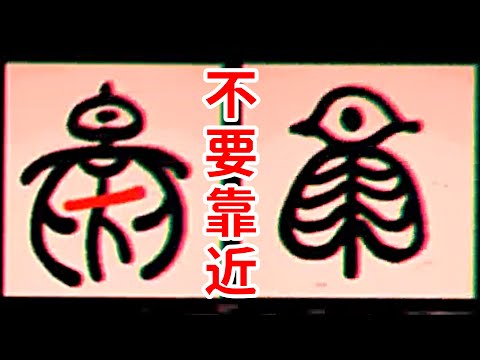
by https://www.youtube.com/@AliAlili
阿力阿力栗
via https://www.pttweb.cc/bbs/C_Chat/M.1728883122.A.0F1
[閒聊] 漢字.mp4 - 朝比奈吉利
最近在YT看到有人在賞析 朝比奈吉利 幾個月前出的漢字.mp4
把恐懼源自未知的詭異氛圍掌握得恰到好處
http://i.imgur.com/sj7aGsA.png
http://i.imgur.com/iBOcQKi.png
http://i.imgur.com/rqoNQmA.png
http://i.imgur.com/xF8roNy.png
然後最後一張是:漢字
http://i.imgur.com/fkTWwdk.png
看了底下的留言都蠻有意思的,商朝時期很多活人獻祭的考究
像是:
某些常用看似正常的漢字的確帶有恐怖的含義 例如
“民” 甲骨文有尖刺刺向眼睛的樣子 表示奴隸
“童” 原意是有罪的男性 解釋是囚犯或者戰俘都要剃頭刺青 有罪的女性則是 妾
“方” 甲骨文有死者被吊在樹上的樣子 除魔用途
“幸” 有著手銬的樣子 也有解釋是小篆裡的 幸 是由(逆轉之意) 與 夭 (死亡之意) 所組成 成功逆轉死亡 (避開死亡)所以幸運
“親” 旁邊由 辛 木 組成 表示某種刑具 加上見字 表達探監之意
可能是會來探監的都是親人被關押了 所以才會有親人的意思
“取” 甲骨文有取下耳朵的樣子 又 可以是手的意思 解釋是取走戰俘的耳朵
“赤” 甲骨文像是人被火燒的樣子
“民” 甲骨文有尖刺刺向眼睛的樣子 表示奴隸
“童” 原意是有罪的男性 解釋是囚犯或者戰俘都要剃頭刺青 有罪的女性則是 妾
“方” 甲骨文有死者被吊在樹上的樣子 除魔用途
“幸” 有著手銬的樣子 也有解釋是小篆裡的 幸 是由(逆轉之意) 與 夭 (死亡之意) 所組成 成功逆轉死亡 (避開死亡)所以幸運
“親” 旁邊由 辛 木 組成 表示某種刑具 加上見字 表達探監之意
可能是會來探監的都是親人被關押了 所以才會有親人的意思
“取” 甲骨文有取下耳朵的樣子 又 可以是手的意思 解釋是取走戰俘的耳朵
“赤” 甲骨文像是人被火燒的樣子
* Added by 15:13
& https://x.com/Kircheis_Liu/status/2008831256470147573
【Kircheis 小孩貓🐱】 #快樂小短片 有點不是很快樂🫠
#漢字 #驚悚短片 @guman_project 老師的作品
其實中國文字
說白了就是吃人肉的故事紀錄
漢人其實就是食人族
兩腳羊不是叫假的🫠
2026-1-07 17:21
2026-1-08 10:21
https://x.com/MarkWang1211/status/2009087914433814736
【Mark Wang】最可怕的是卯,以現代眼光來看根本比瑪雅人還狠
2026-1-08 10:36
https://x.com/Kircheis_Liu/status/2009091734656176438
【Kircheis 小孩貓🐱】😱😱😱
2026-1-08 15:35~37 / 15:46
https://x.com/CteaX55/status/2009167551939695078
https://x.com/CteaX55/status/2009169930265268410
【Tek D.】既然提到了吃人,怎能不分享這個:
中國食人史:世界各大文明中,中國有最多食人事件之記載。 https://zh.wikiversity.org/zh-tw/中国食人史
食人§ 中國 https://zh.wikipedia.org/zh-tw/食人#中國
番膏 https://zh.wikipedia.org/zh-tw/番膏
一位學長說他們當年歷史課本說中國歷史上不存在食人文化
我們(1980s出生)的版本那時候好像沒有那麼明目張膽地說謊──但當然老師也不會講
老屁股聽到則是辯稱那是天災戰爭造成飢荒沒辦法所以打仗不好
完全無視非戰爭非貧窮時候的吃人行為
友:食人跟獻祭文化在文明演進過程裡面是一定會發生的,但就只有中國人會在那邊遮遮掩掩當作沒發生過,甚至就算真的發生過也會用各種手段煙滅證據或當個案
= 分隔線 =
AnchorXanTsih20260108
民
https://en.wiktionary.org/wiki/民#Glyph_origin
Pictogram (象形): Later jiajie (假借) for 民 (OC *min, “the people”).
Shuowen does not have a glyph origin for this character.
Many, including Shirakawa, have claimed that it represents an eye pierced by a dagger. Sometimes explained as the original form of 盲 (OC *mraːŋ, “blind”), but the phonetics differ too much for this to be believable.
https://chardb.iis.sinica.edu.tw/char/14401
奴隸。古代奴隸主對比較馴服的戰俘刺瞎左眼強迫勞動使之成為奴隸,這種瞎了左眼的奴隸便稱為「民」。
童 妾
https://en.wiktionary.org/wiki/童#Glyph_origin
It depicts a person getting their eye (目) gouged out, a common punishment for slaves in ancient China. Compare 民, 臧.
https://en.wiktionary.org/wiki/妾#Glyph_origin
https://chardb.iis.sinica.edu.tw/char/18220
古代男子有罪為奴。
https://chardb.iis.sinica.edu.tw/char/9670
女奴。
(𦣣 → 臧)
https://en.wiktionary.org/wiki/臧#Chinese
Ideogrammic compound (會意 / 会意): 臣 (“eye”) + 戈 (“spear/weapon”) – "slave; prisoner of war" (slaves in ancient China were blinded, hence the 臣 component.) Hence, the original version is 𦣣.
https://chardb.iis.sinica.edu.tw/char/20025
戰爭中被虜獲為奴隸的人。
- 供人使役者的賤稱。
- 以婢為妻及其所生之子。
- 流亡的奴僕。
(臣)
https://en.wiktionary.org/wiki/臣#Chinese
Pictogram (象形) – A vertical eye of a man looking downwards. As an individual character it has taken on the meanings “slave; servant; minister”, while the meaning relating to eyes appears when used as a radical, such as in 臨 (“to look down at”) and 監 (“to inspect”).
https://chardb.iis.sinica.edu.tw/char/20021
戰俘
- 奴僕。
- 國君所統屬的眾民。
- 認罪。
親
https://chardb.iis.sinica.edu.tw/char/22028
(辛)
https://en.wiktionary.org/wiki/親#Chinese
Bronze script: phono-semantic compound (形聲 / 形声, OC *sʰin, *sʰins): phonetic 辛 (OC *siŋ) + semantic 見 (“see”).
Seal script: phono-semantic compound (形聲 / 形声, OC *sʰin, *sʰins): phonetic 𣓀 + semantic 見 (“see”). The left part (a chisel with a tree at the bottom to indicate "hazelnut branch" used as a whip) was then stylized as 亲, which originally is a variant of 辛, the chisel.
https://en.wiktionary.org/wiki/辛#Chinese
Pictogram (象形) of a tool—chisel, awl, spike—used to mark slaves and criminals.
https://chardb.iis.sinica.edu.tw/char/23557
罪。
方
https://en.wiktionary.org/wiki/方#Chinese
Ideogrammic compound (會意 / 会意): 一 + 刀 (“sword”) – blade; tip of a blade. Original form of 芒 (OC *maːŋ, *maŋ, “awn (of cereal); tip (of blade)”); later borrowed to mean “side”. Other theories regarding the origin of this character also exist.
https://chardb.iis.sinica.edu.tw/char/12766
取
https://en.wiktionary.org/wiki/取#Chinese
Ideogrammic compound (會意 / 会意): 耳 (“ear”) + 又 (“hand”) - to take the ear of fallen prey, a rite of hunters mentioned in the Rites of Chou (周禮).
https://chardb.iis.sinica.edu.tw/char/8143
(捕獲到野獸或戰俘時)割下左耳。
𤆍 → 赤、灻
https://en.wiktionary.org/wiki/赤#Chinese
Ideogrammic compound (會意 / 会意): 大 (“person, big”) + 火 (“fire”) – the color of fire (a person by a fire). The original version is 𤆍.
https://chardb.iis.sinica.edu.tw/char/22985
誅滅。
火刑
= 分隔線 =
卯
https://en.wiktionary.org/wiki/卯#Glyph_origin
The character represents a pair of knives to butcher animals. The original meaning is preserved in 劉 (OC *m· ru). An old and conservative variant is 戼.
https://chardb.iis.sinica.edu.tw/char/8040
殺。殷代用牲方式之一。
https://en.wiktionary.org/wiki/劉#Glyph_origin
Phono-semantic compound (形聲 / 形声, OC *m· ru): phonetic 卯 (OC *mruːʔ) + semantic 金 (“metal”) + semantic 刂 (“knife”).
Often written as 卯 (OC *mruːʔ) in the oracle bone script.
上古漢語 複合聲母
劉
https://chardb.iis.sinica.edu.tw/char/7810
斧鉞一類兵器。
- 殺,殺戮。
- 尅,征服。
留
https://en.wiktionary.org/wiki/留#Glyph_origin
In bronze inscriptions, phono-semantic compound (形聲 / 形声, OC *m· ru, *m· rus): phonetic 卯 (OC *mruːʔ) + semantic 田 (“field”). Later in small seal script, phonetic 丣 (OC *luʔ) + semantic 田.
https://chardb.iis.sinica.edu.tw/char/16796
通「劉(鎦)」。殺戮。
* Added by 13:51
※ 編輯: Ctea 時間: 2026-01-08 13:05:14 (台灣)
※ 編輯: Ctea 時間: 2026-01-08 13:17:38 (台灣)
↑
: Moved from https://disp.cc/b/261-9nRZ
by 202601081330
http://www.plurk.com/p/l4vlzy
http://www.plurk.com/p/l4zml9
http://www.plurk.com/p/l50od8
漳泉械鬥、閩客械鬥、原漢械鬥,以及漢人怎麼襲殺原住民搶地盤、吃番肉、熬番膏的事情吧。保證讀了以後會覺得「台灣人」這個頭銜還是留給純血原住民族,流著或多或少華人血統的我們根本繼承了中國人內鬥、鬩牆、坑隊友的「良好傳統」。
註:8.4文
#課綱
#沒人說不能教啊,重點在於洗腦歷史,不要轉移焦點
#民族性 #劣根性
#本土歷史 #洗腦教育 #漢人
【按】曾聽說「台灣人」意思是某一個原住民中稱呼外來者的意思;原住民應該要稱他們為「寶島人」(也就是現在原住民諸語外文的「Formosan」)
※ 編輯: Ctea 時間: 2016-07-11 18:13:44
https://zh.wikipedia.org/zh-tw/食人#中國
食人 § 中國
https://zh.wikiversity.org/zh-tw/中国食人史
中國食人史
在全世界各大文明中,中國有最多的食人事件的記載。
鄭麒來(Key Ray Chong)《中國古代的食人:人吃人行為透視》,中國社會科學出版社,1994年版,第8頁,
中國封建時代的有關(食人習俗的)文字記載是極為豐富的。可以說,中國封建時代的食人習俗證據遠比其他時代或其他國家為多。https://zh.wikipedia.org/zh-tw/番膏
番膏
https://www.facebook.com/100063686051775/posts/1666322490201022/
【瓜喵實驗室】《入藥》
流浪的阿莫意外闖入孤單的天佑房間,兩個同齡小孩的友誼祕密地展開。大人們總是要天佑喝一種味道奇怪的藥,只要身體好起來,就能和爹一樣遊歷各地,而阿莫的加入,又會讓這一切發生什麼變化?清朝時期的臺灣,埋沒在市街暗巷中的物語。(共28頁)
-文化部「臺灣歷史漫畫人才培育課程」結業作品-
via https://www.plurk.com/p/o43ygp
吃人 食人文化 人肉
from https://disp.cc/b/261-fj9g
- 然後我們的歷史課本說中國歷史上不存在食人文化
- 我們那時候好像沒有那麼明目張膽地說
但當然老師也不會講
老屁股聽到則是辯稱那是天災戰爭造成飢荒沒辦法所以打仗不好
完全無視非戰爭非貧窮時候的吃人行為
- 應該說:
食人跟獻祭文化在文明演進過程裡面是一定會發生的,但就只有中國人會在那邊遮遮掩掩當作沒發生過,甚至就算真的發生過也會用各種手段煙滅證據或當個案
- 沒錯 = = 有夠噁心
還要遮遮掩掩
- 干將莫邪就很明顯的案例啊
一個被上頭搞到找不到人獻祭的鍛造師被惡搞到指南把自己老婆丟進爐子裡面的悲劇倍美化成那樣⋯⋯
- 干將莫邪版本超多
有的是用頭髮
有的是用女人...
最後還有煮頭顱,但我看的版本是說要煮才能爛,結果煮不爛,最後是兩頭對付反派頭才結束。
問題就出在那個見義勇為的人,我看的版本一直沒解釋來歷,難道真的就是個路見不平的路人?
- 始作俑者的故事看起來也像是那些把被獻祭當榮譽的人們為了黑那些把自己的社會地位搞砸的人權人士而編造的
- 被獻祭是不是榮耀要看文化
不確定支那古時候是怎樣
印象中倒是跟很多地方一樣頗常用奴隸或戰俘來當祭品
- 周王國聯合那時還是各國文化不同
- 秦漢兩帝國才一口氣把文化統一
- 我以為被周公製禮先搞死第一波
秦代第二波(度量衡、文字)
漢代第三波(獨尊儒術[但實際上是儒教])
- 周王國聯合至少還有一個不太鳥周文化的楚王國
而且各公國自稱王國後其實都有舊文化復辟的現象
- 楚國一向不太鳥中原,或說某種方面是平起平坐頂多裝一下當老二
之後的吳越兩國也是跟中原更有距離
吳國是周王室出逃到當地的後代結果被拱為王(我覺得根本是不想待在周王室)
越國則是完全越人的王
|稍早:禪讓/奪權 帝辛 紂王 朝代 元代 香港:國安法 蒙面 打壓東突 消滅文化與母語 禁止朝聖朝拜 逼吃豬肉
※ 編輯: Ctea 時間: 2026-01-08 13:35:31, 13:36:04 (台灣)
※ 編輯: Ctea 時間: 2026-01-08 13:51:47 (台灣)
※ 編輯: Ctea 時間: 2026-01-08 15:47:18 (台灣)
※ 編輯: Ctea 時間: 2026-01-08 15:55:50, 15:56:37, 15:57:05 (台灣)
※ 編輯: Ctea 時間: 2026-01-08 15:57:34 (台灣)
↑
https://zh.wikiversity.org/zh-tw/中国食人史#元
元朝法律禁止割肉療親,「諸為子行孝,輒以割肝、刲股、埋兒之屬為孝者,並禁止之。(《元史· 卷一百五· 志第五十三· 刑法四》)」但《元史》記載了諸多此般事跡,可見屢禁不止,可能也反映了蒙漢的文化差異。
#食人 #蒙古 愚孝
※ 編輯: Ctea 時間: 2026-01-16 01:48:05 (台灣)
https://ctext.org/dictionary.pl?if=gb&char=栖
栖
※ 編輯: Ctea 時間: 2026-02-22 19:35:54 (台灣)
※ 編輯: Ctea 時間: 2026-02-22 20:10:53 (台灣)
https://chardb.iis.sinica.edu.tw/char/16137
漢字「狋」:基本資料
1. 犬怒貌;一說犬難接近。 2. 兩狗爭鬥。 3. 視貌。 4. [狋氏]漢縣名。 5. [狋觺]獸角貌。一說不平貌。
https://chardb.iis.sinica.edu.tw/char/U+772D
漢字「眭」:基本資料
1. 深目。 2. 同「睢」。仰目。 3. 目深惡視。 4. 姓。 5. 同「(expt=目恚)」。目小怒貌。
https://chardb.iis.sinica.edu.tw/char/U+7756
漢字「睖」:基本資料
1. [睖瞪]直視。 2. 發楞。 3. 瞪;怒視。 4. 用同「棱」。棱角。
https://chardb.iis.sinica.edu.tw/char/17215
漢字「盻」:基本資料
1. 恨視;怒視。 2. 視;看。 3. 勤苦不休息貌。 4. 動目。 5. 美目貌。 6. 「盼」之異體。
https://chardb.iis.sinica.edu.tw/char/22038
漢字「覴」:基本資料
1. 久視;直視。 2. 同「瞪」。
https://chardb.iis.sinica.edu.tw/char/U+7789
漢字「瞉」:基本資料
1. 〔瞉霿〕鄙吝,心不明。 2. 久視。
https://chardb.iis.sinica.edu.tw/char/17245
漢字「眙」:基本資料
1. 直視,目不轉睛的看。 2. 驚貌。 3. 〔盱眙〕縣名。在今江蘇省。 4. 舉目貌。
https://chardb.iis.sinica.edu.tw/char/3118
漢字「䀘」:基本資料
1. 遮人視線。 2. 直視。 3. 躁視。
印刷物掃描
※ 編輯: Ctea 時間: 2026-03-09 05:21:30 (台灣)
https://chardb.iis.sinica.edu.tw/char/11819
戎
11. 代詞。表示第二人稱,相當於「你」、「你們」。
※ 編輯: Ctea 時間: 2026-03-15 14:31:24 (台灣)
https://en.wiktionary.org/wiki/Reconstruction:Proto-Sino-Tibetan/b(j)at
Mentioning the taboo word 屄 (bī) was avoided in ancient Chinese literature (rhyme books included), resulting in a paucity of attestations and an elevated difficulty in reconstructing the Old Chinese pronunciation. Using modern dialectal data, Benedict (1988, circulated manuscript at ICSTLL #21) reconstructed the Old Chinese word as /bʼiĕt/. However, a closed-open syllable variation should probably be posited in the proto-form: *pe and *pet, as many conservative dialects show forms without a final consonant (e.g. Amoy).
This taboo word caused many originally homophonic characters to undergo irregular sound changes, e.g. 卑 (bēi), 裨, such that there was almost no other common word with the same pronunciation. The development from Middle Chinese to modern Beijing Mandarin, in particular the process of syllable coda loss, however generated an additional homophone 逼, which is now basically the only commonly used word homophonic with 屄 in Beijing Mandarin. It is therefore used as an euphemism for 屄 in circumstances where the vulgar nature of this word needs to be toned down.
Some Yue Chinese dialects have hai-shaped words meaning "vagina", e.g. Guangzhou 閪 / 𲈹 /hɐi⁵⁵/. These are probably Tai-Kadai loanwords, compare Proto-Tai *hiːᴬ (“vagina”) (Thai หี (hǐi), Lao ຫີ (hī)), although some Tibeto-Burman languages also have phonetic parallels.
Benedict (1991) hypothesised that this PST etymon came from the root *be ("hidden"), e.g. Tibetan སྦེད་པ (sbed pa), སྦས (sbas), སྦ (sba, “to hide, to conceal; also genitals”) (though the vowels may be difficult to reconcile); Chinese 蔽 (bì). Schuessler (2007) postulated that Chinese 屄 was formed from a root *pe meaning "to open" (e.g. 闢, 披 / 辟, 披), with a suffix *-t to denote natural objects.
Benedict (1990) hypothesised a "Proto-Austro-Kadai" binome *tu‑pi containing this etymon; the first component in that binome is ~ PST *s-tu (“vagina, vulva”). Bauer (1991), on the other hand, treated this etymon as part of a binome *dzu(k)‑byet (with PST *dzjuk ~ tsjuk (“vulva”)), and adduced parallels in Hmong-Mien languages and Chinese.
Using pVt- for words denoting "vagina, vulva" appears to be somewhat common in other languages as well; compare: Proto-Indo-European *písdeh₂ (“vulva”), *pout ("cunnus") (Russian пизда (pizda), Albanian pidhi, Scots fud, Latin praeputium, Latvian peža, Lithuanian putė), Finnish pillu, Hungarian punci, pina, Proto-Kartvelian bud-, Proto-North-Caucasian *pūṭi ~ būṭi, Tagalog puday, puke (~?), Proto-Austronesian *palaq, *bediq ~ *bətiq (Malagasy fala), Korean 보지 (boji), Old Japanese ほと (poto₂, “vulva”), Proto-Ryukyuan *pi (“vulva”), etc.
via https://en.wiktionary.org/wiki/屄
#屄 #毴 #漢藏語系 #南亞語系
※ 編輯: Ctea 時間: 2026-03-16 15:16:37 (台灣)
↑
https://chardb.iis.sinica.edu.tw/char/20884
蔽
1. 小草貌。
2. 遮蓋;擋住。
3. 隱蔽。
4. 掩飾。
5. 蒙蔽;壅蔽。
6. 古代車上禦風的簾子。
7. 防護人馬的器具。
8. 屏障。
9. 概括。
10. 毛病。
11. 審斷;判決。
12. 耳門。
13. 簙;博具。
14. 通「敝」。破舊。
15. 春秋時鄭邑名。
16. 萎也。
17. 《說文》:「別也。一曰擊也。」。
18. 通「拂」。擦拭。
- 現在聽到「小草」只會想到(ry ww
by Kaede #日記shower #風評被害
※ 編輯: Ctea 時間: 2026-03-16 15:18:22 (台灣)
https://www.google.com/search?q=site...IAIAA&sclient=gws-wiz-serp
site:chardb.iis.sinica.edu.tw/char "生殖器" - Google Search
※ 編輯: Ctea 時間: 2026-03-16 15:19:38 (台灣)
[筆記]早先漢字基本上一定發音與字形(這邊指的是聲符)有關,若與字形不合的,高機率會是後起字。
屄就是一個例子:既不是從尸也不是從穴
https://ytenx.org/dciangx/cjeng/尸/
https://ytenx.org/dciangx/cjeng/穴/
#日記shower
※ 編輯: Ctea 時間: 2026-03-17 01:32:58 (台灣)
※ 編輯: Ctea 時間: 2026-03-17 08:45:27 (台灣)
3/16 dinner 聽到中國人講上聲,所以好奇查了一下:
肚有兩種韻
* 杜小韻 徒古切 定聲模韻姥目(模系遇攝) 上聲 開口一等呼 dʱuo
(之後演變為去聲)
* 覩小韻 當古切 端聲模韻姥目(模系遇攝) 上聲 開口一等呼 tuo
中華民國國語基本上從口語聽來似乎只剩下陰去。
中國普通話仍有上聲。
台語則是上聲與陰去聲兩種都有保留
https://sutian.moe.edu.tw/zh-hant/tshiau/?lui=tai_su&tsha=肚
* 腹肚 pak-tóo [上]
* 牛肚 gû-tōo [去]
※ 編輯: Ctea 時間: 2026-03-17 23:01:19 (台灣)
[0b1h by 19:43]
https://www.youtube.com/watch?v=Dv-3SgWc_Io
你能猜到這些甲骨文是什麼字嗎 ! ? @nerdzun
via Kaede* #日記 19:38
https://www.youtube.com/shorts/qQ6qHnDDBE0
https://www.youtube.com/shorts/OyAe19HGQPE
※ 編輯: Ctea 時間: 2026-03-18 19:48:21 (台灣)
https://zh.wikipedia.org/w/index.php?title=酱油&oldid=91690042&variant=zh-tw
最早的醬油是由肉類醃製而成,肉剁成肉泥再發酵生成的油,稱為醢(即肉醬油);另有在造醬時加入動物血液的版本的醬油稱為醓。可見《詩經· 大雅· 行葺》之一句:「醓醢以薦。」
而最早的植物醬油稱之為「豆醬」或「豆醬清」。最早的文獻記載是在大約公元160年前後,在崔寔著作的《四民月令》中提到「諸醬、肉醬、清醬」;東漢王充的《論衡》中「世諱作豆醬惡聞雷」,而成書於北魏的《齊民要術》中亦已有「豆醬清」的記載,黃興宗認為《論衡》《齊民要術》內所指的「豆醬」,「豆醬清」,可能是指現代醬油的前身[6]。
https://chardb.iis.sinica.edu.tw/char/24082
1. 肉醬。 2. 醬。
https://chardb.iis.sinica.edu.tw/char/24067
1. 肉醬。 2. 肉汁。 3. 酷。 4. 酸。
※ 編輯: Ctea 時間: 2026-03-27 15:02:03 (台灣)
https://www.facebook.com/reel/1241842064807543
江湖中的
門
派
幫
會
教
# 武俠 # 漢字
* Spotted by 11:14
※ 編輯: Ctea 時間: 2026-04-13 11:18:29 (台灣) *
※ 編輯: Ctea 時間: 2026-04-13 11:21:45 (台灣)
https://chardb.iis.sinica.edu.tw/char/16231
猩
1. [猩猩]犬吠聲。
2. 獸名。指猿類動物。猩猩。
3. 鮮紅色。
https://ytenx.org/kyonh/sieux/884/
所庚切 生小韻
猩猩能言,似猿聲,如小兒也
https://ytenx.org/kyonh/sieux/937/
桑經切 星小韻
說文曰猩猩犬吠聲又音生
https://zh.wikipedia.org/zh-tw/猩猩_(妖怪)
* Updated by 7/23 17:28
※ 編輯: Ctea 時間: 2026-07-20 19:04:11 (台灣)
https://en.wiktionary.org/wiki/尿#Glyph_origin
- 尿字原來是(商代時)人(或動物)尿尿的樣子www
而且原來(漢代時的字)原本是「尾水」(㞙),後來才變成「尸水」。
字形演變
= 分隔線 =
https://chardb.iis.sinica.edu.tw/char/10310
尸
1. 陳;陳列。
8. 陳列尸體以示眾。
3. 神主;神像。
2. 古代祭祀時代表死人受祭的活人(一般以臣下或死者的晚輩充任)。
6. 喻坐享祿位,不幹實事。
4. 主,主體。
5. 主持;執掌。
9. 舒展。
10. 姓。
※ 編輯: Ctea 時間: 2026-07-23 17:28:20 (台灣)
※ 編輯: Ctea 時間: 2026-07-23 17:41:02 (台灣)
https://chardb.iis.sinica.edu.tw/meancompare/5F37/5F3A
強
1. 米中小黑蟲。
#米蟲
※ 編輯: Ctea 時間: 2026-08-15 01:12:22 (台灣)
- 「流金」讀「流」(力求切),不是讀「鑫」(許金切)。
※ 編輯: Ctea 時間: 2026-09-08 17:45:26 (台灣)
※ 編輯: Ctea 時間: 2026-09-08 17:45:47 (台灣)
https://pedia.cloud.edu.tw/Entry/Detail?title=骨董
骨董
* 古代遺留下來的器物。
* 戲稱人古板不肯變通。
* 瑣碎的事物。
* 擬聲詞。形容物體落水的聲音。
https://pedia.cloud.edu.tw/Entry/Detail?title=古董
古董
* 古代遺留下來,具有古文化參考價值,並可供玩賞的器物。
* 比喻不合時代潮流,頑固守舊的人。
- 果然有些許差異。因為用幾個非華語之漢語去讀就能發現兩個發音完全不一樣。
這與「腳色」變「角色」的狀況不太一樣
#日記00:18 類似品要注意 諧音
※ 編輯: Ctea 時間: 2026-09-09 00:22:32 (台灣)
※ 同主題文章:
03-15 21:20 □ [筆記] 689真的不是真的「有病」就能一言以蓋的
… ×81
06-15 00:40 Re [筆記] note News Temp
06-18 09:47 □ [筆記] note IMGUR
06-18 11:15 □ [筆記] PDF解鎖 & 轉換 #電子書相關
06-18 15:22 □ [筆記] 烤杯烏鴉的意氣評
● 06-24 15:01 □ [筆記] 漢字關聯 #罕見意思 #上古漢語中的字義演變 #罕見字
07-02 11:16 □ [轉錄] 用25張圖,告訴全世界「香港不是中國!」
07-02 15:39 □ [新聞] 希臘人清晨排隊 六成ATM領無錢
07-06 18:18 Re [筆記] note News Temp
07-07 10:47 □ [筆記] noteM - Terminator 魔鬼終結者
… ×2428
※ 看板: CityNight 文章推薦值: 0 目前人氣: 0 累積人氣: 221
回列表(←)
分享